

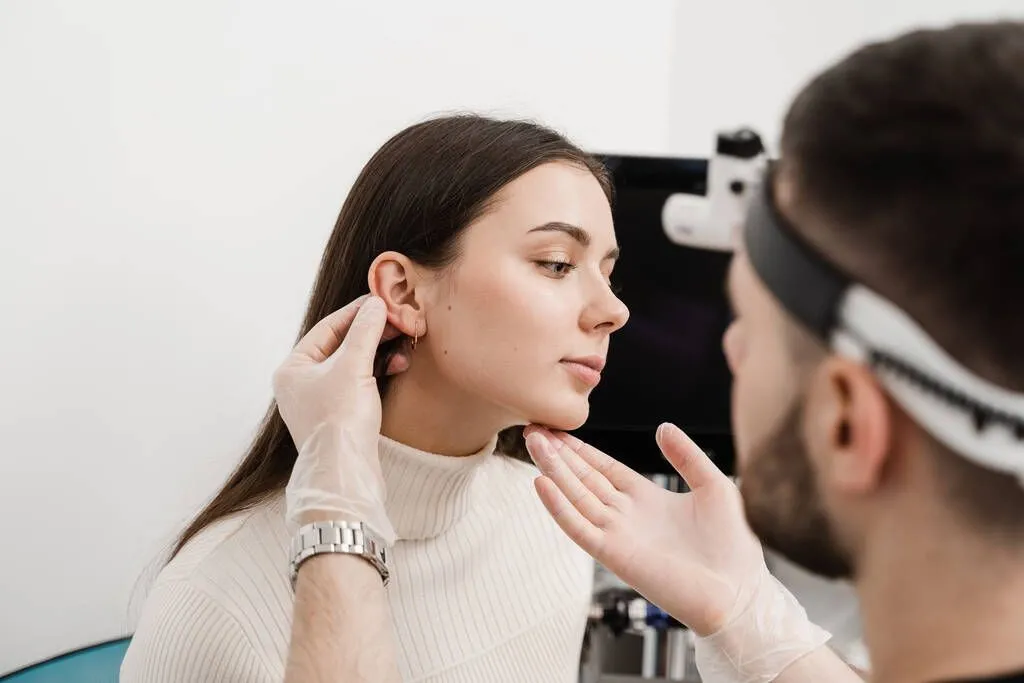
What not to do 2 weeks before plastic surgery: a list of hidden risks
Preparing for plastic surgery is not just about tests and consultations. The last two weeks before the procedure are crucial, as during this period the body needs stability and the safest conditions for recovery. Dietary restrictions, quitting bad habits, and adjusting daily routines help avoid complications, reduce swelling, infection risks, and problems with prolonged tissue healing. A detailed preparation plan is determined by the doctor, for example, plastic surgeon Iryna Pradosh, who takes into account the individual characteristics of the patient.
Main restrictions and hidden risks
To ensure the surgery and postoperative period proceed comfortably, certain actions that may worsen the condition should be avoided. The most important recommendations:
- Avoid alcohol and tobacco. Alcohol affects blood clotting, increases the risk of bleeding, and worsens the body's reaction to anesthesia. Smoking impairs microcirculation and slows healing, increasing the likelihood of complications several times over.
- Stop analgesics and anticoagulants without agreement. NSAIDs and blood-thinning agents can cause excessive bleeding during surgery. Therefore, it is important to inform the doctor about all medications, including vitamins and supplements.
- Avoid active workouts. Strength exercises can lead to microtraumas, changes in blood pressure, and overall exhaustion of the body, negatively affecting recovery.
- Limit sun exposure. Intense sunbathing or visiting a solarium can cause skin irritation, pigmentation, and increase the risk of inflammatory reactions in the area of the surgical intervention.
Nutrition and lifestyle
It is important to maintain a balanced diet and optimal water balance. A diet high in salt can provoke fluid retention and swelling, complicating the healing process. Fresh vegetables, light protein dishes, and sufficient water intake are the best support for the body before surgery.
Psychological preparation also plays an important role. Calmness, a balanced daily routine, and support from loved ones help reduce stress and prepare the patient for changes.
In the end, it is important to remember that any plastic surgery must be carefully planned. Understanding the risks and recommendations will ensure a safe process and predictable outcome. This is especially true for procedures such as mammoplasty.