

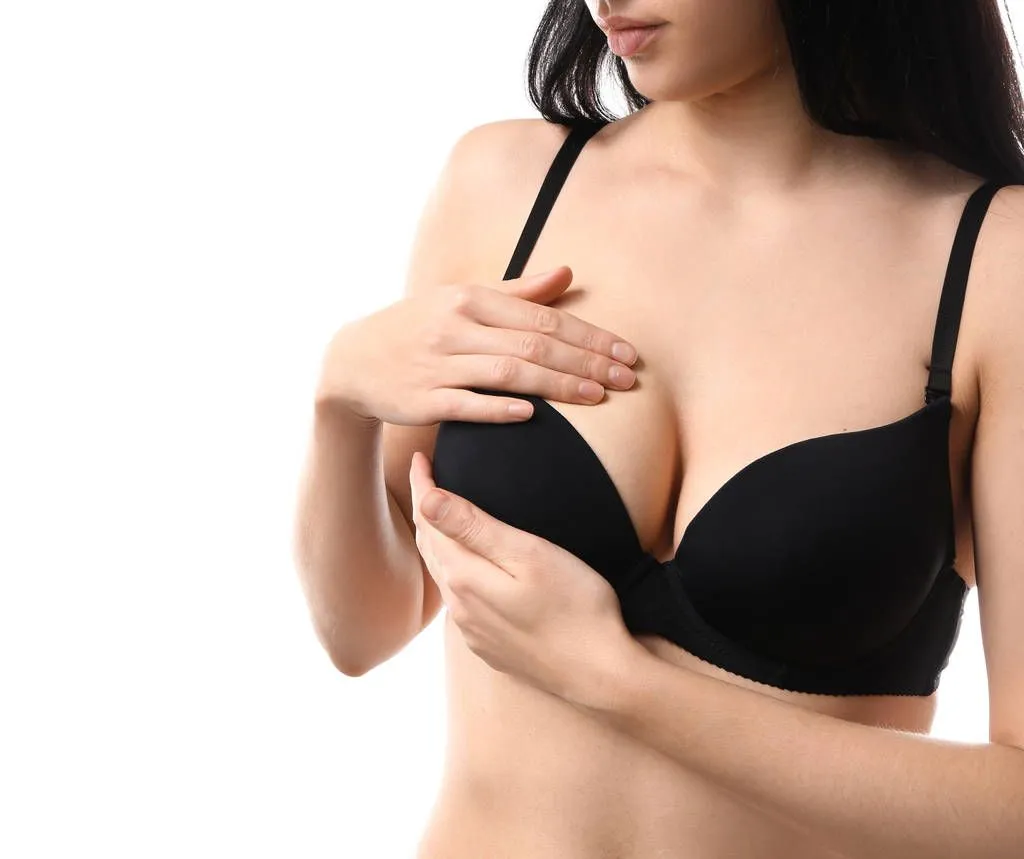
How Implants React to Active Sports: What Patients Need to Know
An active lifestyle has long been the norm for many people, so the question of how implants react to active sports concerns patients even at the stage of planning surgery. Physical exertion, regular training, and participation in sports activities are possible even after surgery, but only with the right approach to recovery and following the doctor's recommendations.
The impact of physical activity on implants after surgery
In the first weeks after implant placement, any physical activity is limited. This is due to tissue healing processes and the formation of a stable implant position. Premature exertion can cause displacement, swelling, or discomfort. That is why doctors insist on a gradual return to physical activity, starting with light walks and breathing exercises.
When you can return to sports
The recovery time depends on the type of surgery, the type of implants, and the overall condition of the body. Usually, light activity is allowed after 4–6 weeks, and full training — no earlier than 2–3 months. Strength exercises, especially those involving chest muscles, are introduced into the recovery program the latest. This approach helps avoid complications and maintain aesthetic results.
Which sports require caution
Not all sports activities equally affect implants. Running, yoga, pilates, or swimming are usually well tolerated after complete healing. In contrast, contact sports, weightlifting, or intensive crossfit training require additional control. In such cases, it is important to use special supportive underwear and carefully listen to your own feelings.
The role of rehabilitation and specialist supervision
Regular check-ups after surgery allow assessing the condition of the implants and timely adjusting the level of physical activity. Rehabilitation includes not only restrictions but also the gradual restoration of muscle tone, which positively affects overall well-being. It is important to remember that pain or a feeling of pressure during training is a signal to reduce the load and consult a doctor.
An active lifestyle without compromising the result
Modern implants are designed for long-term use and can withstand an active lifestyle. With proper recovery, adequate selection of physical activities, and adherence to specialist recommendations, sports do not pose a threat. On the contrary, moderate activity contributes to well-being, self-confidence, and allows maintaining the desired result of the surgery for many years.