

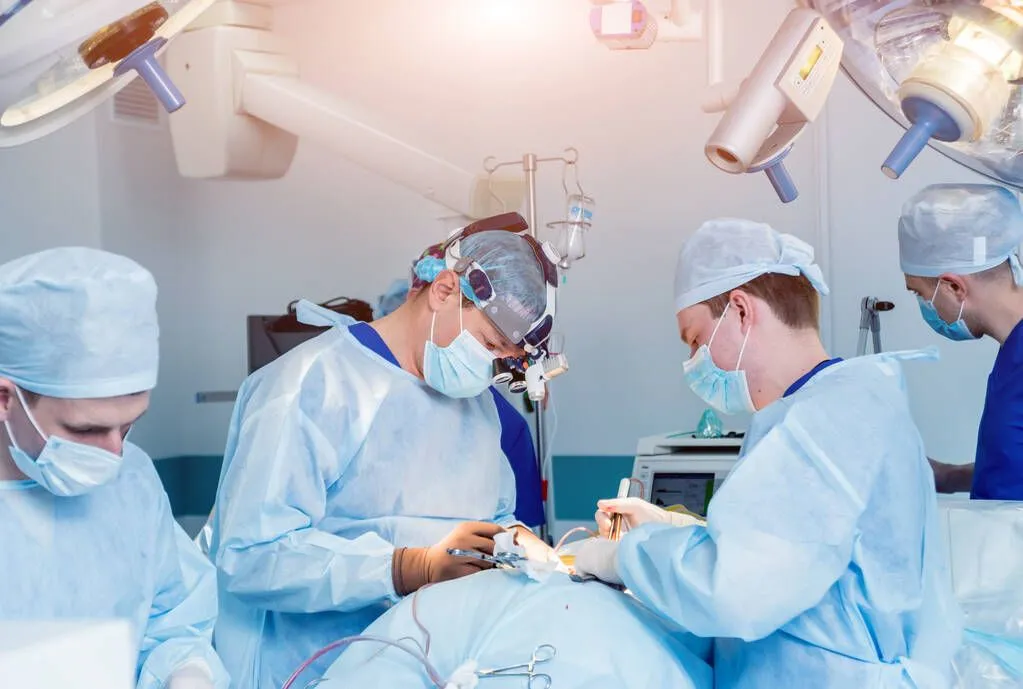
How to Prepare for Anesthesia: Facts Rarely Discussed
Preparing for anesthesia is not just about standard tests and a conversation with the anesthesiologist. Many nuances, often not mentioned, can affect safety and comfort during surgery. In everyday life, people often underestimate the importance of sleep patterns, nutrition, the state of the nervous system, and even minor habits. These details often determine how the body will react to anesthesia. Therefore, it is especially important to discuss preparation with a doctor, such as an experienced plastic surgeon Iryna Pradosh.
Why Sleep and Stress Play a Key Role
Sleep disturbances a few days before surgery can provoke blood pressure instability and a more complex reaction to medications. A night without normal rest increases anxiety levels, which negatively affects the depth of anesthesia and the speed of recovery from it. Stress works similarly: a tense body relaxes more difficultly, so the patient may require a higher dose of anesthetics. That's why doctors advise paying attention to the psychological state in the preoperative period — from light walks to breathing relaxation practices.
The Importance of Nutrition, Often Forgotten
Everyone knows the recommendations for fasting before anesthesia, but few understand their real purpose. An empty stomach is needed not only to reduce the risk of aspiration. Overeating the day before can cause increased gas formation, abdominal discomfort, and even provoke nausea after surgery. It is equally important to avoid heavy, fatty foods 24 hours before the intervention. A body working in optimal mode tolerates anesthesia more easily and recovers faster.
Details That Matter
Before anesthesia, it is worth giving up alcohol in advance, limiting caffeine, and not experimenting with new medications or vitamins. Even seemingly harmless supplements can interact with anesthetics. It is equally important to inform the doctor about any chronic diseases, allergies, or previous anesthesia difficulties — this will help accurately determine the dosage and choose the safest method of induction.
Physical condition should also be mentioned: light physical activity a few days before surgery improves blood circulation, contributes to more stable breathing, and positively affects postoperative well-being.
In conclusion, preparation for anesthesia is much broader than the standard list of tests. It includes caring for the nervous system, balanced nutrition, rest regimen, and careful attention to personal habits. A patient who pays attention to these details undergoes surgery much more comfortably, and recovery goes faster. This approach is especially important for complex aesthetic interventions, such as abdominoplasty in Kyiv, where the general state of the body directly affects the outcome and duration of rehabilitation.