

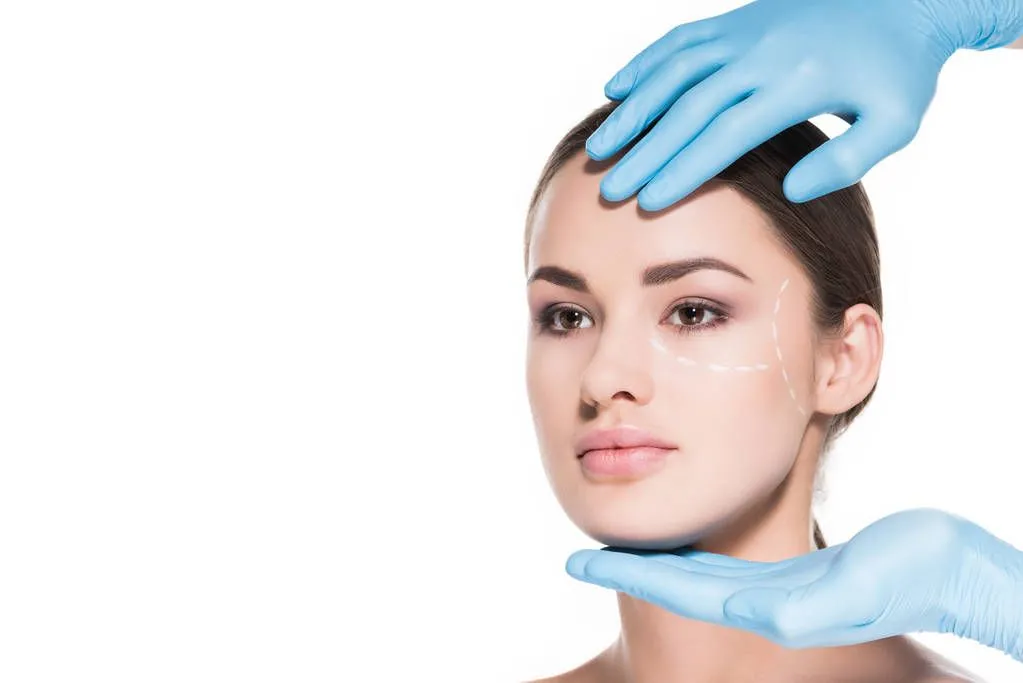
10 mistakes in rehabilitation after plastic surgery — what not to do
Plastic surgery is just the first step towards the desired result. An equally important stage is the rehabilitation period, when the body recovers and tissues heal. It is this period that determines how natural and harmonious the effect of the intervention will be. However, many patients underestimate the importance of postoperative care and make mistakes that can nullify the surgeon's work. To avoid complications, it is worth knowing how to act correctly in the first weeks after surgery. An experienced plastic surgeon in Kyiv will tell you about this in detail.
1. Ignoring the doctor's recommendations
The most common mistake is to think that if the pain has disappeared, you can return to normal life. In fact, the body is not yet ready for stress, and every doctor's advice has a specific purpose — to reduce the risks of swelling, bleeding, or scarring.
2. Premature physical activity
After plastic surgery, any tension — lifting weights, intense workouts, or even brisk walking — can lead to suture rupture or bleeding. Returning to sports should be gradual and only with the doctor's permission.
3. Refusing compression garments
Compression garments ensure proper tissue fit, reduce swelling, and help shape the new body contour. Removing them prematurely is a big mistake, as the result may become asymmetrical.
4. Underestimating skin care
After surgery, the skin requires special attention. You cannot use aggressive cosmetics, scrubs, or alcohol-based products. Only gentle, soothing creams or ointments recommended by the doctor.
5. Disrupting the sleep regimen
Sleeping on your side or stomach can cause implant displacement or swelling. In the first weeks, you need to sleep on your back, placing a pillow under your head for better fluid drainage.
6. Visiting a sauna, pool, or solarium
High temperature or humidity can provoke suture inflammation. Even a short visit to the sauna or tanning can worsen healing and cause pigmentation.
7. Smoking and alcohol
Nicotine and alcohol reduce oxygen supply to tissues, slowing down the regeneration process. Even a few cigarettes or a glass of wine after surgery can negatively affect the final result.
8. Not following hygiene rules
It is necessary to carefully but cautiously clean the postoperative area, avoiding infection. Use sterile wipes and antiseptics prescribed by the doctor.
9. Self-removal of stitches or bandages
Some patients try to speed up the healing process by removing the bandage or threads prematurely. This can lead to wound edge separation or the formation of rough scars.
10. Lack of regular check-ups
Even if you feel good, you cannot skip follow-up visits. The doctor evaluates the recovery process, promptly notices swelling, hematomas, or other deviations.
How to undergo rehabilitation correctly
Successful recovery is the result of teamwork between the patient and the doctor. Following the regimen, balanced nutrition, moderate activity, and a calm psychological state help achieve the ideal effect without complications.
It is also important to remember that each body is individual: what is suitable for one may be dangerous for another. Therefore, any advice from the internet should be checked with your specialist.
Care and beauty — step by step
Plastic surgery is just part of the path to harmony with oneself. Successful rehabilitation is the key to a long-term and aesthetic result. In professional clinics, patients are provided not only with medical but also psychological support, helping to restore confidence and harmony.
Special attention is required for patients after procedures related to the face and neck — here delicacy and precision of movements are important. Therefore, in modern clinics, special programs aimed at improving tone, blood circulation, and skin elasticity after neck lift in Kyiv are often used for recovery.